
Which Pain Reliever Is Safest for People Over 50?
Insights from a Geriatric Doctor for the Aging and Highly Reactive Body
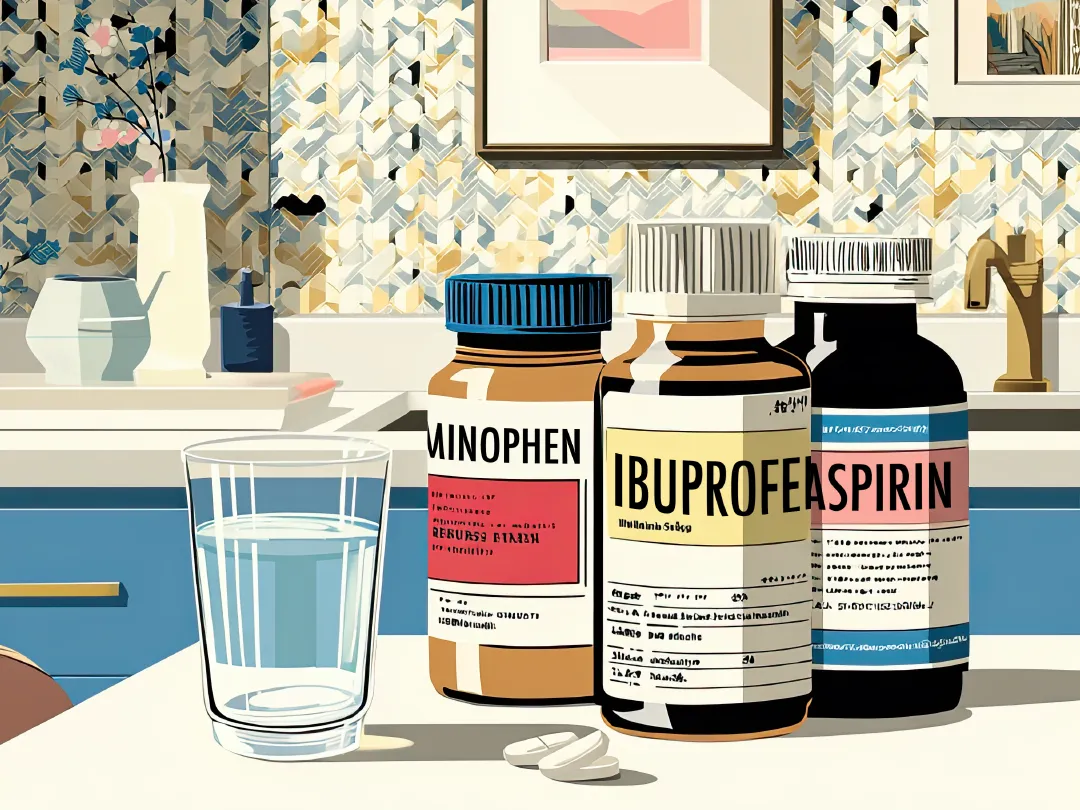
Why I am Sharing This
II tend to think twice before taking any medication, including pain relievers. As a highly sensitive person (or HSP), I react strongly to drugs and supplements. I once ended up in the hospital with a stomach ulcer after taking ibuprofen without food for two days in a row. Since then, I’ve only used it when strictly necessary and when inflammation is clearly involved, since ibuprofen is more effective for that.
Over the years I’ve become more deliberate about what I put in my body, partly because sensitivity increases with age and partly because recovery takes longer when we make the wrong call. I’ve learned that even “simple” over-the-counter drugs can have unexpected effects, especially for people who are already more reactive. Lately I’d heard that acetaminophen might be safer as we get older, but it was this video by Better Health While Aging that finally clarified the risks and made the comparison clear.
Here is a short summary of the video and a cheat sheet with the points I found most useful. The video is embedded at the bottom of the page so you can watch it without leaving this site. Below that, you’ll find links to related articles.
Video Summary
This video by Better Health While Aging, featuring Dr. Leslie Kernisan, a board-certified geriatrician, discusses which pain reliever is safest for older adults among the over-the-counter (OTC) painkillers. She explains the pros and cons of acetaminophen (Tylenol), nonsteroidal anti-inflammatory drugs (NSAIDs) like ibuprofen (Advil) and naproxen (Aleve), and aspirin.
The video covers how these drugs affect the liver, kidneys, and cardiovascular system, and offers guidance on choosing the safest option for long-term or occasional use. Dr. Kernisan also addresses topical treatments, the risks of “PM” painkillers, and the evolving role of cannabinoids. She concludes with general pain management tips, with an emphasis on non-drug therapies.
Which Pain Reliever Is Safest for People Over 50?
Based on a video by Better Health While Aging
1. Acetaminophen (Tylenol)
- Safer for long-term use if under 3,000 mg/day
- Avoid if liver disease or heavy alcohol use
- Watch for hidden doses in combo meds
2. NSAIDs (Ibuprofen, Naproxen)
- More effective for inflammation
- Higher risk: bleeding, kidney strain, fluid retention, blood pressure rise, heart attacks
- Occasional use only; avoid daily use
- Topical NSAIDs (e.g., diclofenac gel) are safer
3. Aspirin
- Not for regular pain relief
- No longer recommended for primary prevention
- Still used for secondary prevention (post-stroke or heart attack)
4. Topical Options
- Safer for localized pain
- Includes diclofenac gel, menthol, salicylates, capsaicin
5. PM Pain Relievers
- Contain anticholinergics like Benadryl
- Harmful to memory and cognition in older adults
6. Cannabinoids (CBD/THC)
- May help with pain/sleep
- Watch for dizziness, sedation, drug interactions
- Potency/purity vary
7. General Tips
- Report pain to your provider
- Consider physical therapy, acupuncture, massage, CBT
- Don’t aim for zero pain. Aim for better, manageable comfort
Disclaimer: This article is for informational purposes only and may include curated or personal content. It is not medical advice. Please consult a licensed provider before making health decisions.
Share this article
If you’re exploring alternative ways to stay healthy, you may also like:
- 7 Wellness Hacks That Actually Work
- How to Use Artificial Intelligence to Manage your Health
- Types of Alternative Medicine: What They Do and How to Choose
To be notified when new content is published, please join our mailing list below.
Download or Print the Cheat Sheet
of Which Pain Reliever Is Safest for People Over 50?
Watch the Video
Video by Better Health While Aging. All rights belong to the original creator.
To watch on YouTube click here